Open Source Ecology
Main Text Channels / other-os-groups
They have discords, links expire, so just look them up or ask Eric


 1
1






 1
1



TakeRep <User:User> [Num:Whole number]
Invalid arguments provided: User "Solidworks" not found 2
2

 (edited)
 (edited) 1
### Call the compiler with a glob pattern
osript compile --source='./*in*.+(osr)' --output='./${SRC_NAME}.+(md)' --debug=true --language=osr
Input : https://git.osr-plastic.org/plastichub/lib-content/src/branch/master/tests/test.in.osr
Output : https://git.osr-plastic.org/plastichub/lib-content/src/branch/master/tests/test.in.md
I needed something like this to also decouple data from cloud services as Google Sheets to produce mainly static content, including rendering templates over Jekyll into PDFs (Manuals)
Quite some fun stuff
Internally it's using/abusing Liquid (JS implementation) (used in Jekyll and Github pages) and I extended it for Javascript whilst having scope variables accessible between the both (see https://git.osr-plastic.org/plastichub/lib-content/src/branch/master/examples/js-tests.html).
Next chapters :
2
### Call the compiler with a glob pattern
osript compile --source='./*in*.+(osr)' --output='./${SRC_NAME}.+(md)' --debug=true --language=osr
Input : https://git.osr-plastic.org/plastichub/lib-content/src/branch/master/tests/test.in.osr
Output : https://git.osr-plastic.org/plastichub/lib-content/src/branch/master/tests/test.in.md
I needed something like this to also decouple data from cloud services as Google Sheets to produce mainly static content, including rendering templates over Jekyll into PDFs (Manuals)
Quite some fun stuff
Internally it's using/abusing Liquid (JS implementation) (used in Jekyll and Github pages) and I extended it for Javascript whilst having scope variables accessible between the both (see https://git.osr-plastic.org/plastichub/lib-content/src/branch/master/examples/js-tests.html).
Next chapters :

### Call the compiler with a glob pattern
osript compile --source='./*in*.+(osr)' --output='./${SRC_NAME}.+(md)' --debug=true --language=osr
Input : https://git.osr-plastic.org/plastichub/lib-content/src/branch/master/tests/test.in.osr
Output : https://git.osr-plastic.org/plastichub/lib-content/src/branch/master/tests/test.in.md
I needed something like this to also decouple data from cloud services as Google Sheets to produce mainly static content, including rendering templates over Jekyll into PDFs (Manuals)
Quite some fun stuff
Internally it's using/abusing Liquid (JS implementation) (used in Jekyll and Github pages) and I extended it for Javascript whilst having scope variables accessible between the both (see https://git.osr-plastic.org/plastichub/lib-content/src/branch/master/examples/js-tests.html).
Next chapters :
the purpose of the language is rather intermediate, transforming content from one source to another output format - with zero dependencies I gonna check it out in depth over the weekend - looks like a good replacement for Jekyll ...
@hkienle - it handles xlsx, google sheets and CSV files so far (internal query language is still missing...).
To manage BOMs I am also still looking for something more adequate. More likely we have to shift from Spreadsheets to something ERP'ish. Different product configurations and also different sources makes this pretty difficult. Especially now in c19 times, one has to change quickly among different suppliers - not just material is running out everywhere but also prices changed a lot over night - to a degree that we had to refund even orders.
However, til now we're using Spreadsheets but also increasingly PDM/BOM features within Solidworks which come with a bunch of extras as automatic sustainability reports - still trying to extract this data via Solidworks APIs ...
There was a nice editor for BOMs somewhere on Github (Nodejs & VUE based) - I hope I can find it back. Not sure though at which level you want it
BOMs seem also to rely a lot on the internal company's data organization/structure. In the next years, I am continuing with this here :
Turns out that you need the BOM data in different ways across different system. For instance customers want to re-order replacements for consumables - it's really tedious and time consuming to handle this with a small team.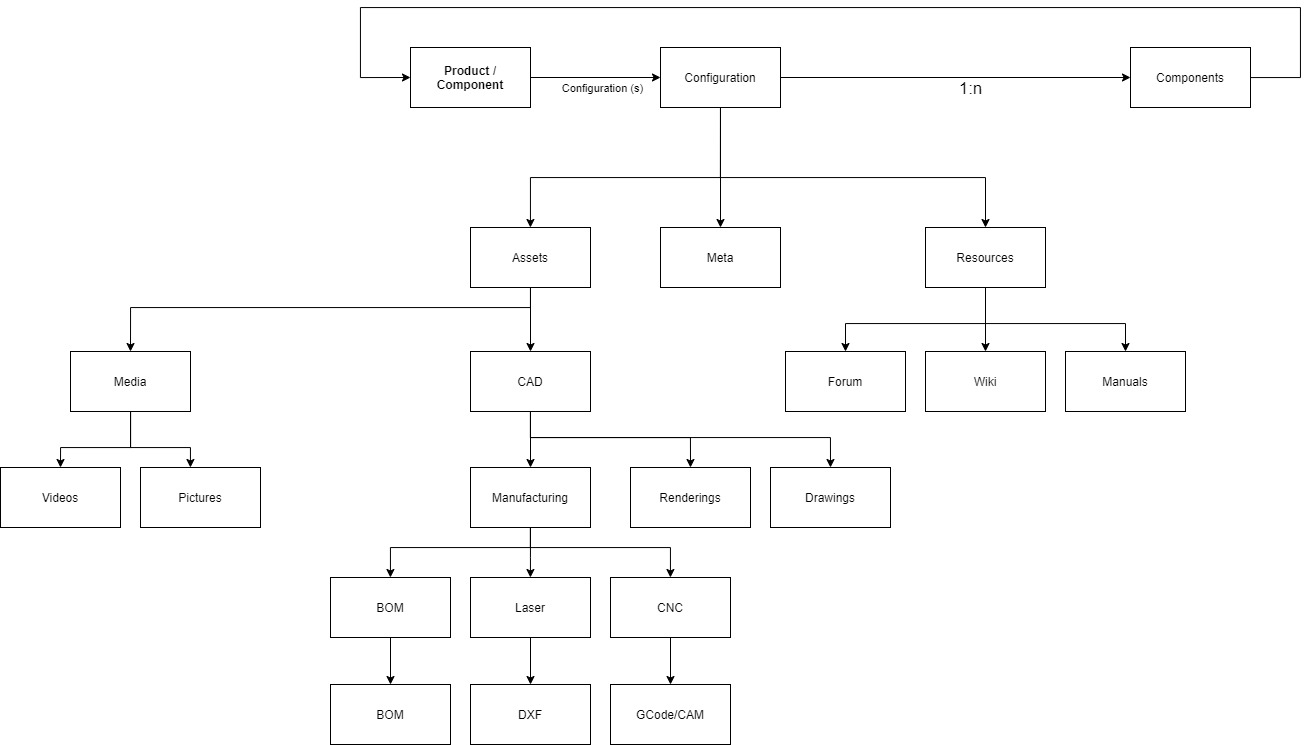 3
3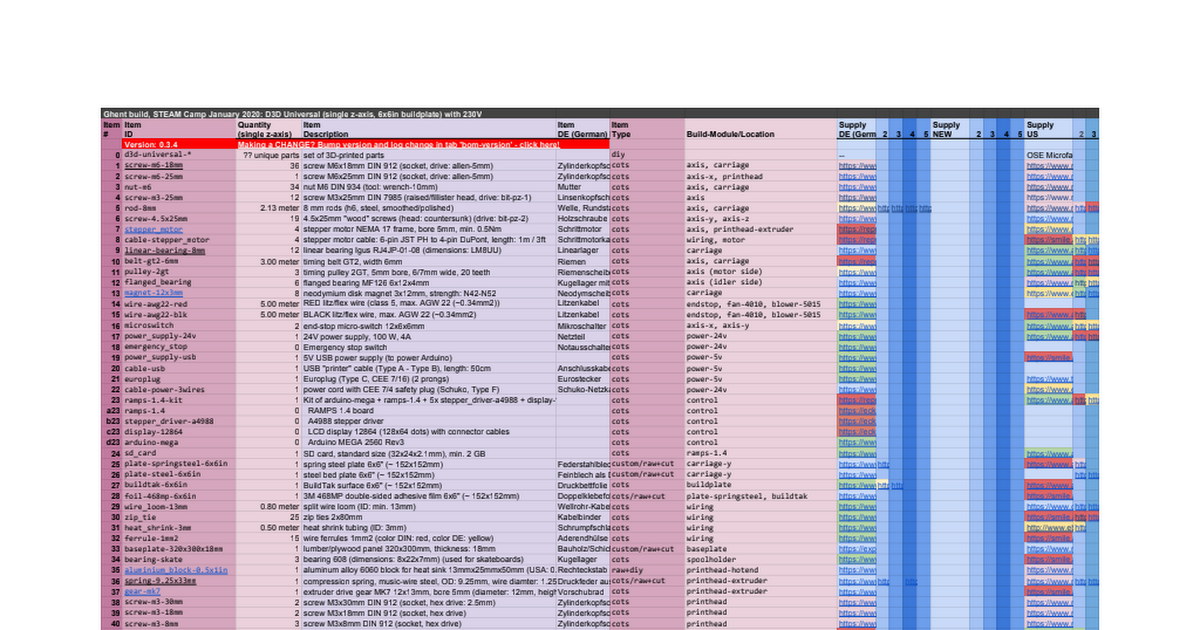 3
3

 1
1
 3
3
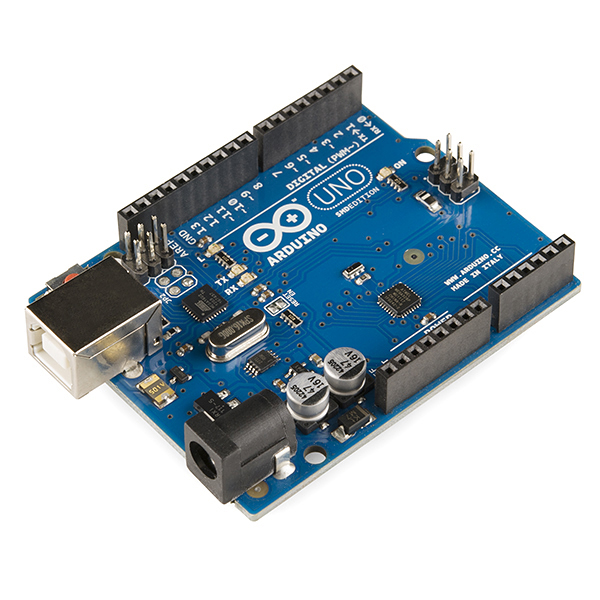
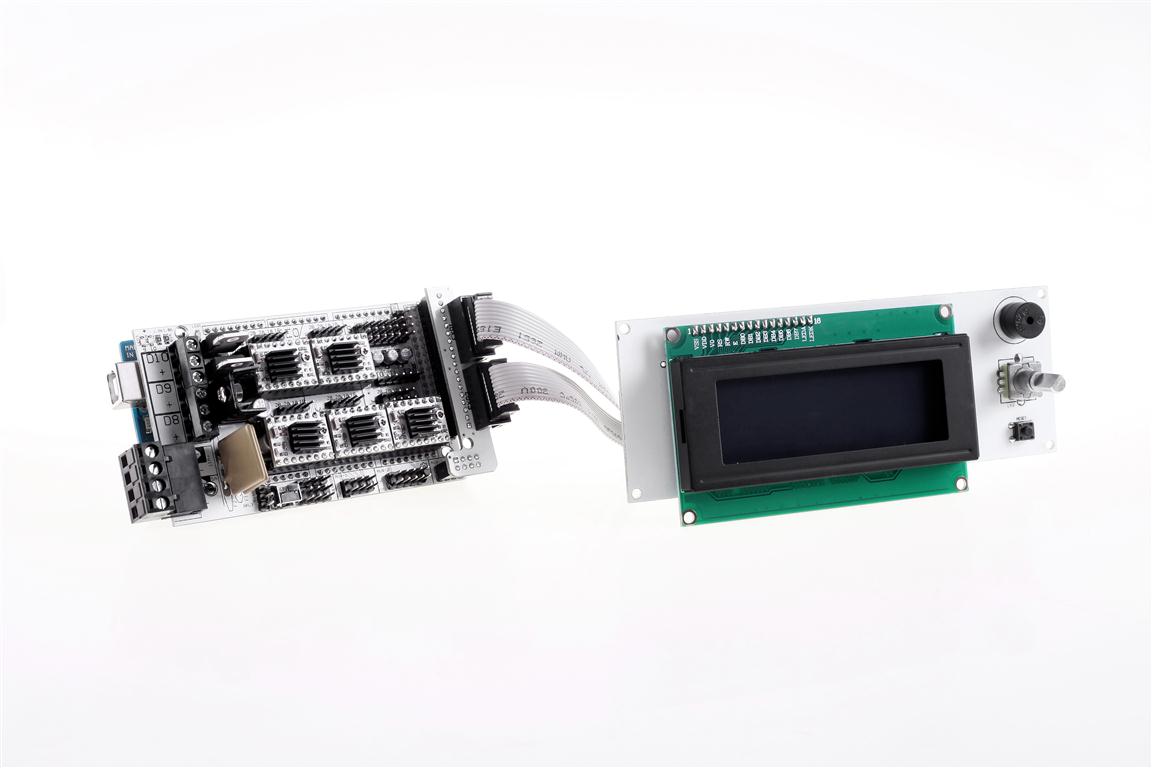
The name Arduino comes from a bar in Ivrea, Italy, where some of the founders of the project used to meet. The bar was named after Arduin of Ivrea, who was the margrave of the March of Ivrea and King of Italy from 1002 to 1014.[3]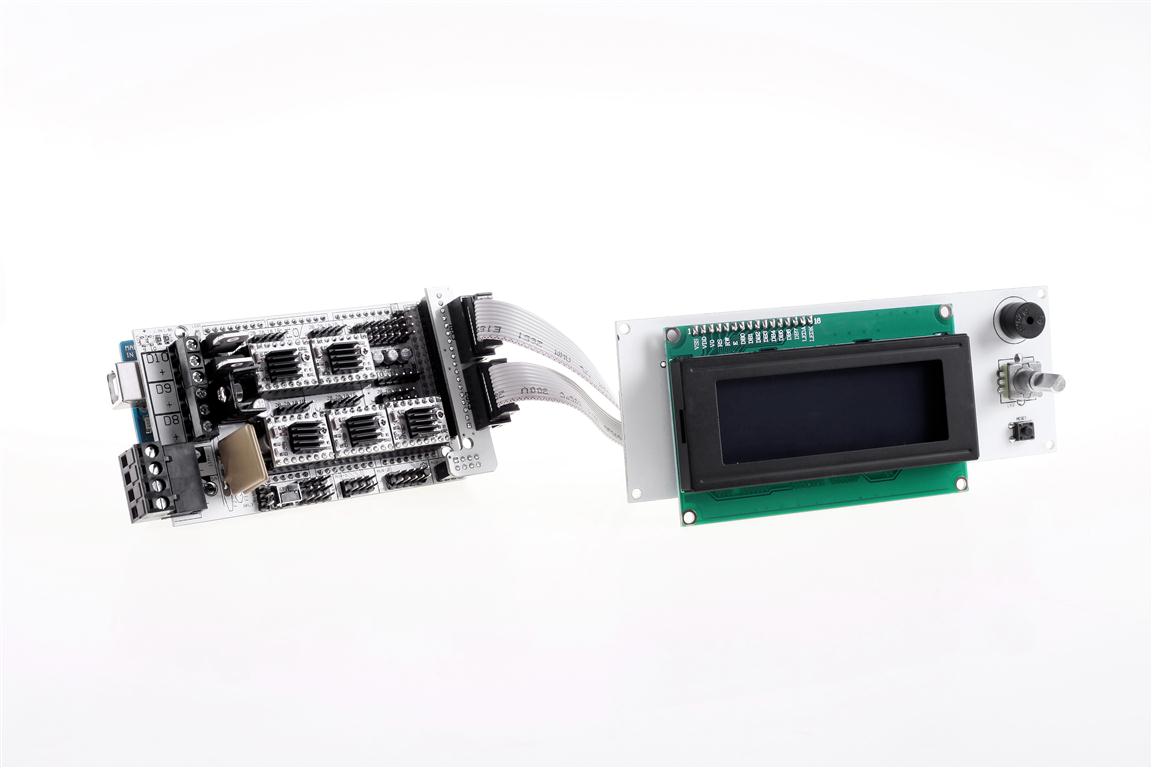 2
2 1
What sucks most is the limited choices of boards with debugger interfaces/pins, close to your production variant, leaving you mostly with exorbitant macros and debug print statements running fast out of memory.
1
What sucks most is the limited choices of boards with debugger interfaces/pins, close to your production variant, leaving you mostly with exorbitant macros and debug print statements running fast out of memory. I guess we have some standards for low-tech extruders
References:
1. Lydia-v4.5: http://files.osr-plastic.org/files/machines/extrusion/lydia-v4.5/
2. - clamp (in progress) : http://files.osr-plastic.org/files/machines/extrusion/components/101_lucy/. open tasks : ejection and mold cooling
3. Lydia-Mini (ok for filament): http://files.osr-plastic.org/files/machines/extrusion/lydia-mini/ (edited)
I guess we have some standards for low-tech extruders
References:
1. Lydia-v4.5: http://files.osr-plastic.org/files/machines/extrusion/lydia-v4.5/
2. - clamp (in progress) : http://files.osr-plastic.org/files/machines/extrusion/components/101_lucy/. open tasks : ejection and mold cooling
3. Lydia-Mini (ok for filament): http://files.osr-plastic.org/files/machines/extrusion/lydia-mini/ (edited)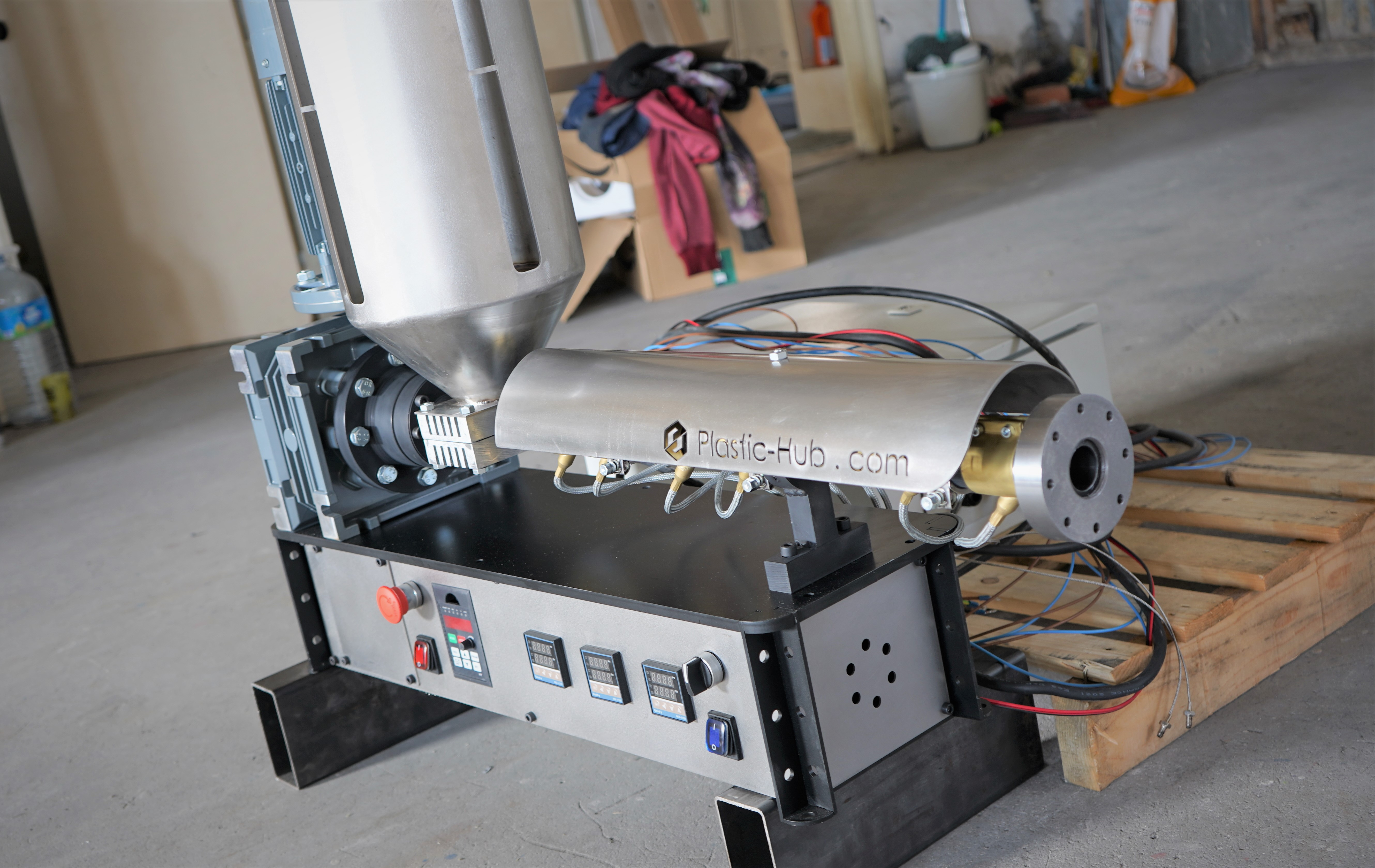
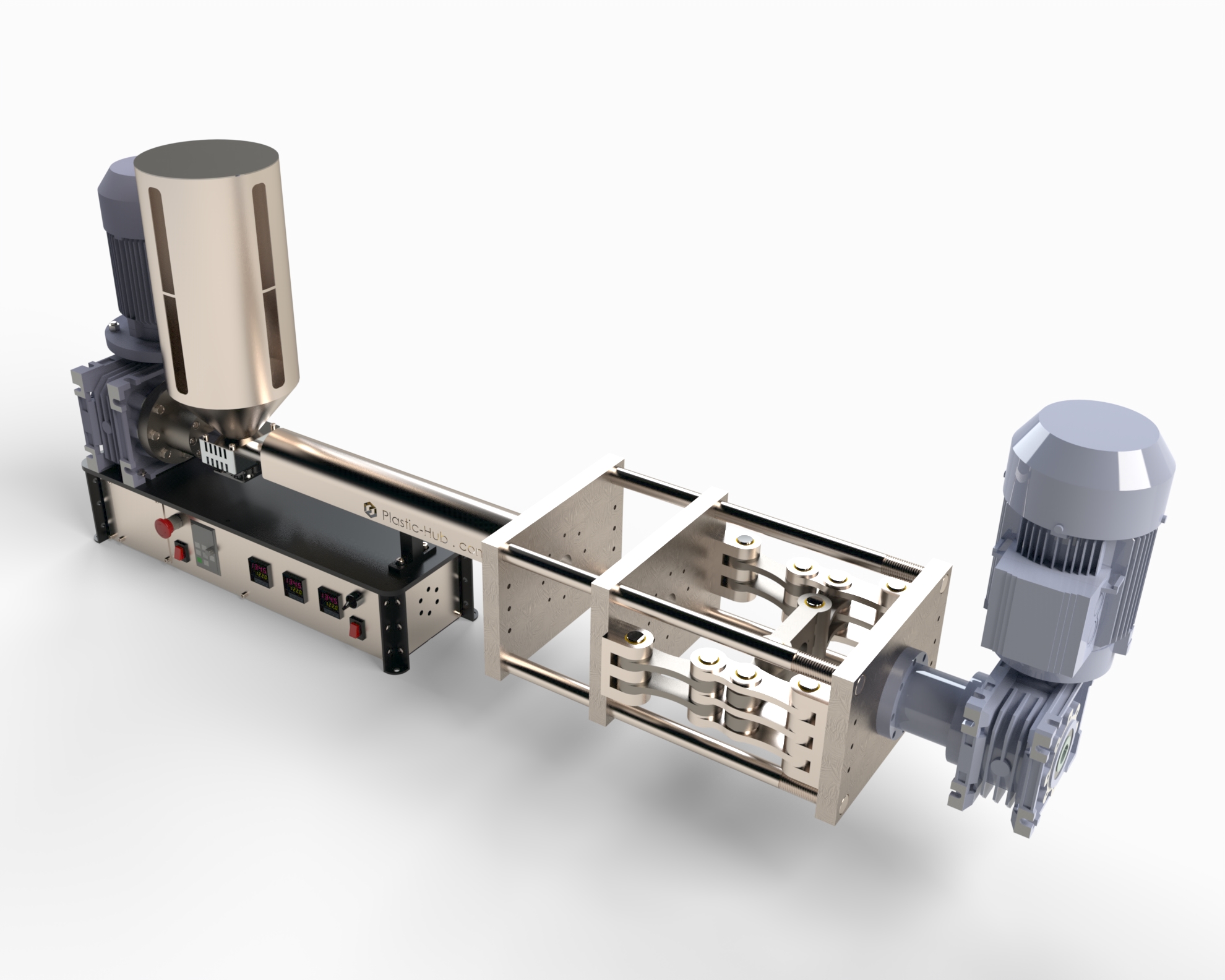
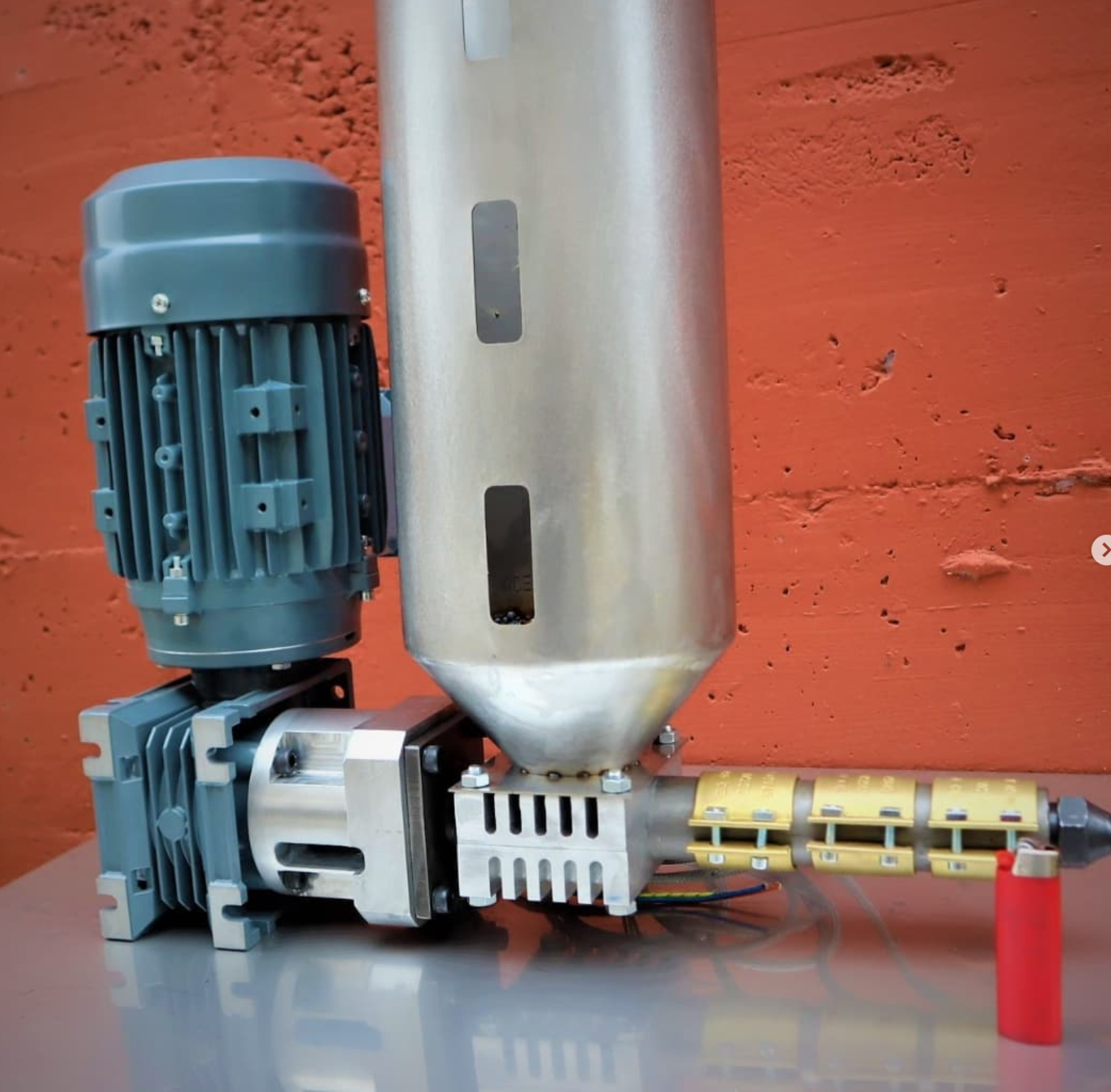
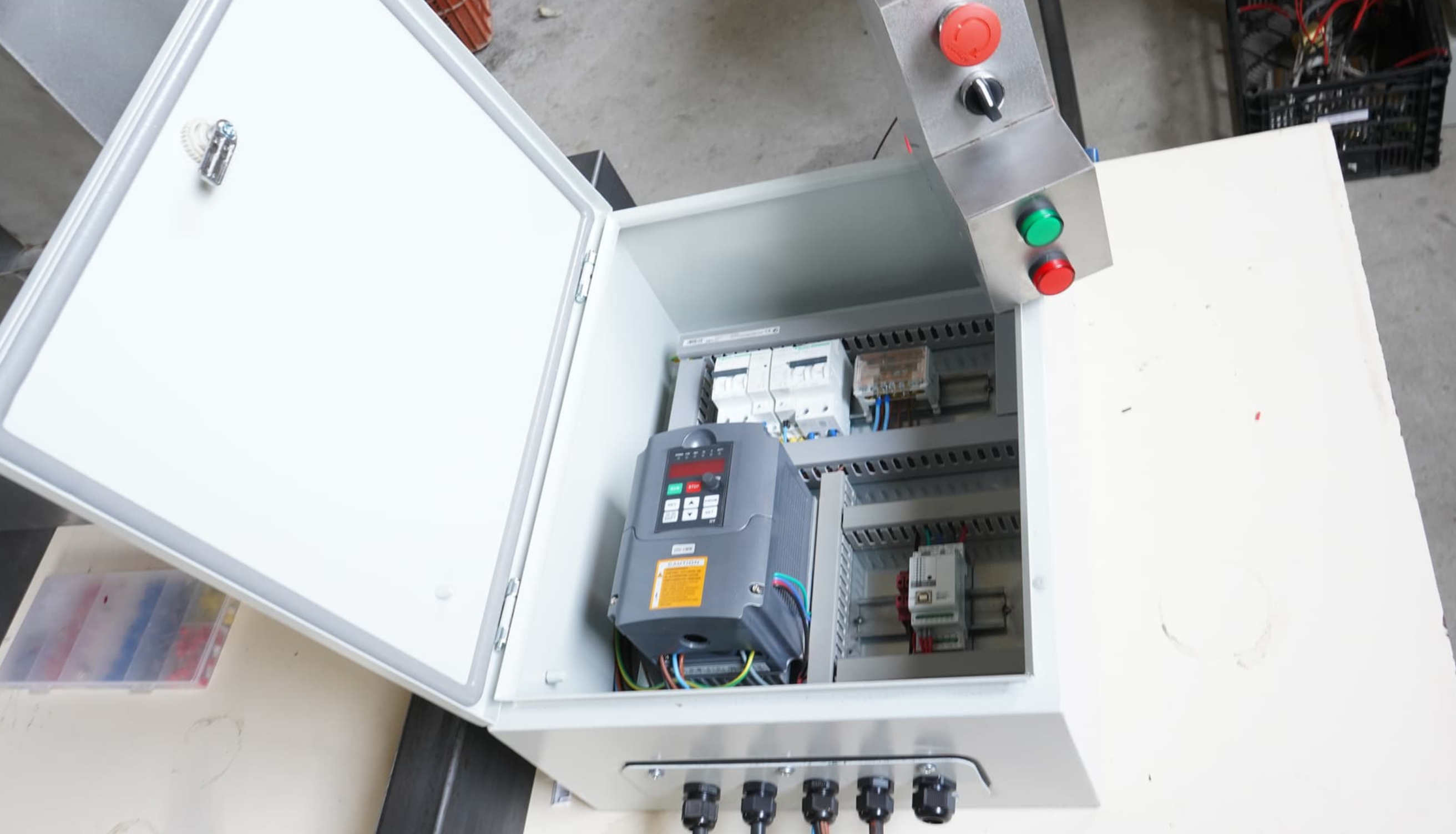

 I guess we have some standards for low-tech extruders
References:
1. Lydia-v4.5: http://files.osr-plastic.org/files/machines/extrusion/lydia-v4.5/
2. - clamp (in progress) : http://files.osr-plastic.org/files/machines/extrusion/components/101_lucy/. open tasks : ejection and mold cooling
3. Lydia-Mini (ok for filament): http://files.osr-plastic.org/files/machines/extrusion/lydia-mini/ (edited) (edited)
I guess we have some standards for low-tech extruders
References:
1. Lydia-v4.5: http://files.osr-plastic.org/files/machines/extrusion/lydia-v4.5/
2. - clamp (in progress) : http://files.osr-plastic.org/files/machines/extrusion/components/101_lucy/. open tasks : ejection and mold cooling
3. Lydia-Mini (ok for filament): http://files.osr-plastic.org/files/machines/extrusion/lydia-mini/ (edited) (edited)


- Chapter/Story todos
 - [ ] do that
-  [x] do this
You can have this docs on github, or hackmd.io 1


 2 1 - I recon this might become the ultimate toolbox for OS Hardware peeps
 - I recon this might become the ultimate toolbox for OS Hardware peeps - apparently this very niche lives from hype, sensationalism, ... ruled by the west, adding usually no substance, but bold expenses (edited)







 Hacker News • 4/23/2025 8:13 PM
  Building a good business takes usually 10+ years; I doubt there will be any shortcuts though. Building a good business takes usually 10+ years; I doubt there will be any shortcuts though.
 1
1 Not sure actually what format is needed for that but having needs for gamers, game-devs, makers, ... served in one shot would be awesome ! (edited)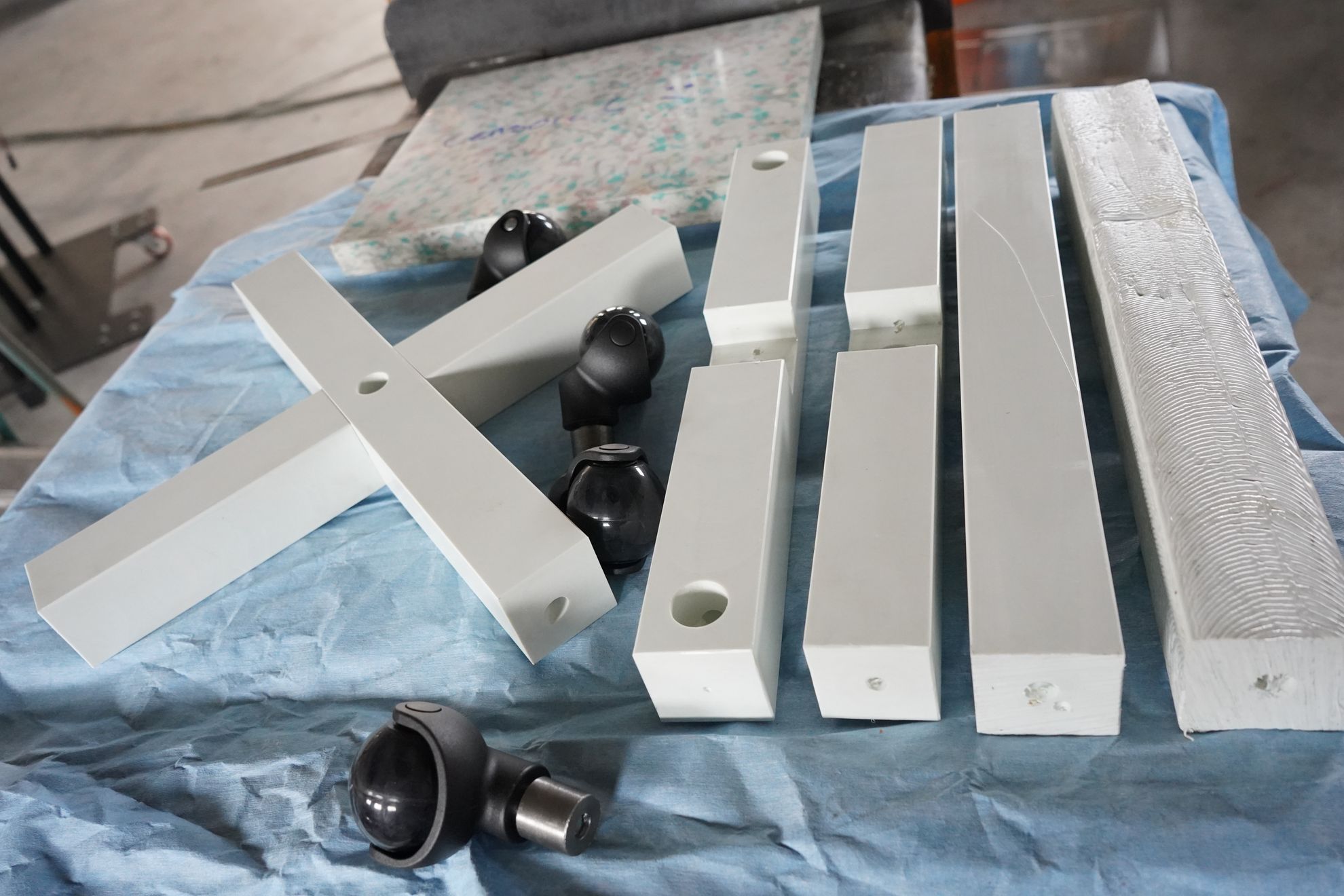

 1
1 1
1
 1
1 1 1 I've got told that in a rat race like capitalism, the only receipt to succeed is be the best & be unique, especially if you're competing in a niche, or just get started, 'Opensource' doesnt fit very well in there, unless you can afford it. However, most stuff around us is kinda Opensource anyway, let it be part catalogues, standards, regulations, ... or more complex assembly libraries as Grabcad. All designs I had on my table required 3-5 years to master, and in all cases there was nothing much left of the original... After some time, the only Opensource I actually need are detailed processes & material science ( locked up by patents (edited) I've got told that in a rat race like capitalism, the only receipt to succeed is be the best & be unique, especially if you're competing in a niche, or just get started, 'Opensource' doesnt fit very well in there, unless you can afford it. However, most stuff around us is kinda Opensource anyway, let it be part catalogues, standards, regulations, ... or more complex assembly libraries as Grabcad. All designs I had on my table required 3-5 years to master, and in all cases there was nothing much left of the original... After some time, the only Opensource I actually need are detailed processes & material science ( locked up by patents (edited)




 time for a write up
  time for a write up
  1 didnt know there's such a thing as OSHW developer but having an OS version Fusion360 (CAM), including their web interfaces would be indeed helpful - looks like AI can help with that now too didnt know there's such a thing as OSHW developer but having an OS version Fusion360 (CAM), including their web interfaces would be indeed helpful - looks like AI can help with that now too

 1
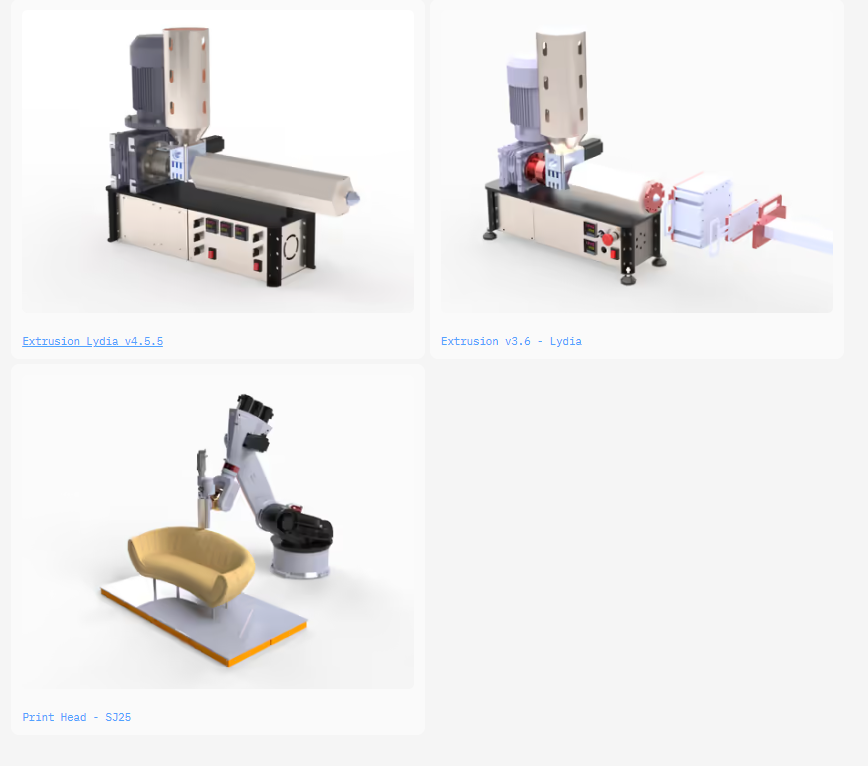
1 are you trolling ? just sent the 3 extruder to MIT this week, https://polymech.io/


 - lets say, I keep an eye on OSE (edited)
 2 that could be pimped with all the neat stuff, wiki, AI to decompose binary designs into sources, easy to fork, ... thoughts ? that could be pimped with all the neat stuff, wiki, AI to decompose binary designs into sources, easy to fork, ... thoughts ?
  1 (edited) same for that tractor
in the mean-time, US hiphop back to back in China - https://www.tiktok.com/@cicizone/video/7492832515359657259
1 (edited) same for that tractor
in the mean-time, US hiphop back to back in China - https://www.tiktok.com/@cicizone/video/7492832515359657259
 From the streets to the strings!!”
 in the mean-time, US hiphop back to back in China - https://www.tiktok.com/@cicizone/video/7492832515359657259 1
  (edited)
 2 1
2 1